


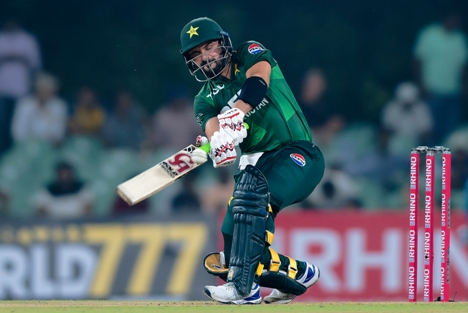
Pakistan’s six-wicket win in the first T20I at Dambulla was set up not by an extraordinary batting effort, but by a pathetic Sri Lankan batting display that once again exposed the side’s chronic lack of stability and direction in the shortest format.
Put in to bat, Sri Lanka never looked in control of their innings. There was no tempo, no clarity and certainly no partnerships of substance. The innings unravelled almost from the outset, with the top order folding under minimal pressure. Pathum Nissanka’s brief stay ended early, Kamil Mishara lasted just three deliveries, and Kusal Mendis failed to convert another start, leaving Sri Lanka reeling at 38 for four inside seven overs.
Much of the focus was on Dhananjaya de Silva’s return to the T20I side after an 18-month absence, a recall intended to bring calm and experience to a fragile middle order. Instead, it delivered nothing of the sort. Promoted as a stabilising presence, de Silva lasted just 10 balls for his 10 runs before falling to Shadab Khan. His dismissal was symbolic of Sri Lanka’s wider problem , an inability to absorb pressure and build an innings when early wickets fall. The long-awaited comeback neither steadied the ship nor justified the faith shown in him.
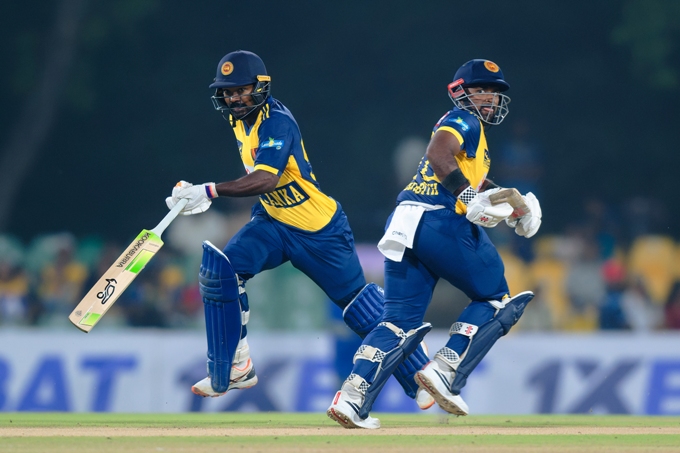
Charith Asalanka and Dhananjaya fell in quick succession, and Sri Lanka slipped deeper into trouble, playing catch-up cricket far too early in the innings. The only resistance came from Janith Liyanage, who once again underlined his growing importance to the side. His 40 off 31 balls was the lone meaningful contribution in an otherwise dismal batting effort. Wanindu Hasaranga added some late urgency, but by then the damage was already done.
Sri Lanka’s final total of 128 in 19.2 overs was not just below par — it was completely inadequate on a surface that offered true bounce and value for shots. Pakistan’s bowlers were disciplined but hardly unplayable, making Sri Lanka’s collapse even more concerning. Too many batters got starts without capitalising, while others failed to survive even a handful of deliveries.
The chase merely underlined Sri Lanka’s batting failure. With no scoreboard pressure, Pakistan coasted home with 20 balls to spare, making the contest look one-sided well before the final overs.
For Sri Lanka, this defeat raises uncomfortable questions. The experiment of recalling de Silva for middle-order solidity backfired, and the batting unit as a whole once again lacked purpose, adaptability and resilience. With the T20 World Cup looming, Sri Lanka cannot afford such rudderless, fragile batting performances or selections that promise stability but deliver none.


