


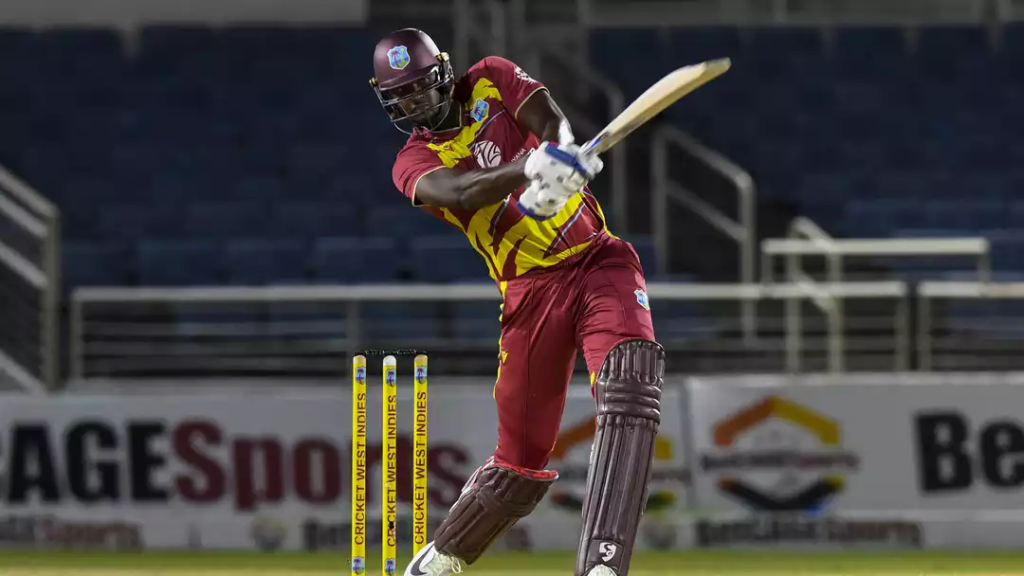
Sri Lanka’s batting frailties against high-quality pace and their inability to close out key moments with the ball were exposed once again as West Indies secured a five-wicket victory in the third T20 International at Sabina Park to clinch the three-match series 2-1.
The result reflected a recurring theme throughout the series. While Sri Lanka produced patches of promising cricket, they struggled to sustain pressure for 40 overs, allowing West Indies to seize control during decisive phases of the contest.
Asked to bat first, Sri Lanka appeared well placed after an aggressive start from Kamil Mishara and Pathum Nissanka. Reaching 48 for 1 inside five overs, the visitors looked on course for a total in excess of 180. However, the turning point arrived when Shamar Joseph was introduced into the attack. The fast bowler’s ability to generate pace and extract bounce immediately disrupted Sri Lanka’s rhythm.
Joseph’s double strike in the Powerplay transformed the innings. From a position of strength, Sri Lanka slipped into a familiar pattern of rebuilding rather than accelerating. The middle order once again failed to capitalise on a solid platform, with wickets falling at regular intervals.
Dasun Shanaka’s dismissal was particularly costly. At a time when Sri Lanka required experience and composure, the former captain’s attempted paddle shot against Jason Holder resulted in an avoidable wicket. The innings was rescued to some extent by Dunith Wellalage, whose 43 provided valuable momentum, but Joseph’s remarkable final over ensured Sri Lanka were restricted to 169.
The significance of Joseph’s five-wicket haul extended beyond the statistics. His ability to strike at critical junctures denied Sri Lanka the late flourish that could have pushed the total beyond 180, a score that may have proved challenging on a surface where batting became easier under lights.
Sri Lanka’s bowlers initially responded impressively. Wellalage removed Shai Hope early, while Wanindu Hasaranga once again demonstrated why he remains the side’s most reliable T20 match-winner. His spell of 2 for 17 helped reduce West Indies to 64 for 4, placing Sri Lanka firmly in control.
Yet it was at that stage that Sherfane Rutherford delivered the innings of the match. Rather than panic, the left-hander expertly balanced caution with aggression. His calculated assault on Sri Lanka’s spinners shifted momentum, while a dropped catch by Shanaka on 25 proved a costly missed opportunity.
The decisive blow came in the penultimate over. With West Indies still requiring 26 from 10 deliveries, Sri Lanka remained favourites. However, Dushmantha Chameera’s inability to execute yorkers under pressure allowed Holder to unleash three towering sixes, effectively ending the contest.
For Sri Lanka, the series highlighted both promise and concern. The emergence of Wellalage as a genuine all-round contributor is encouraging, while Hasaranga continues to perform consistently. However, the batting unit’s inability to convert strong starts into match-winning totals and the failure to execute under pressure remain significant issues.
West Indies, meanwhile, found heroes at both ends of the game. Joseph’s career-best 5 for 33 dismantled Sri Lanka’s batting, while Rutherford’s unbeaten 54 guided the chase with maturity and composure. Together, they ensured the hosts finished the series as deserved winners.
Brief scores: Sri Lanka 169 in 20 overs (Dunith Wellalage 43; Shamar Joseph 5-33) lost to West Indies 170/5 in 19.4 overs (Sherfane Rutherford 54*, Jason Holder 21*; Wanindu Hasaranga 2-17) by five wickets


